Almost every first-time guest asks me the same question a few weeks before departure. What bug spray should I actually bring, and will normal sunscreen even work under the equatorial sun? This guide covers the best insect repellent sunscreen safari Kenya trips need, from DEET concentrations to aircraft packing rules. Kenya sits right on the equator, the sun is stronger than most people expect, and mosquitoes are a real health issue, not just an itch. Let’s sort out what actually works, what it costs, and what you cannot carry on your light aircraft transfer.
Finding the Best Insect Repellent Sunscreen Safari Kenya Trips Need
Kenya is a malaria risk country across most of its lower altitude regions. Mosquitoes here can also carry dengue fever in some coastal and urban pockets. Tsetse flies show up in parts of the Maasai Mara and Samburu, and their bite is sharp enough to notice through clothing. Ticks are common in long grass near riverbanks. None of this should scare you off. Thousands of guests travel through these areas every year without incident. It just means your repellent choice matters more than it would on a beach holiday in Spain. Before you even think about bug spray, check the yellow fever vaccine requirements for Kenya. That certificate is often needed for entry or connecting flights.
Kenya’s Malaria Map Is Not One Size Fits All
This is the part most packing guides skip. Malaria risk in Kenya changes with altitude and region, and your itinerary decides how seriously you need to take it.
| Route from Nairobi | Distance | Typical transfer time | Altitude | Malaria risk |
|---|---|---|---|---|
| Nairobi city and highlands | 0 km | n/a | 1,700 m | Low |
| Nairobi to Maasai Mara | 270 km road, or 45 min flight from Wilson Airport | 5-6 hrs by road | 1,500-2,170 m | Moderate |
| Nairobi to Amboseli | 240 km | 4-5 hrs by road | 1,100-1,200 m | Moderate to high |
| Nairobi to Samburu | 325 km | 5-6 hrs by road, or 1 hr flight | 800-1,000 m | Higher |
| Nairobi to Diani coast | 500 km | 1 hr flight | Sea level | Higher |
Samburu’s lower altitude and warmer nights make it a higher malaria-risk region than the Mara. That is one reason camps like Elephant Watch Camp in Samburu take mosquito protection seriously indoors as well as out. If your trip includes both a highland stop and a lowland one, pack for the lowland risk level throughout, not just for the days you are actually there.
DEET, Picaridin, or Natural: What Actually Works
There are three real options, and each has trade-offs.
DEET is still the gold standard against African mosquito species. Look for 20 to 30 percent concentration for a multi-day safari. Higher percentages do not repel better, they just last longer between applications. Jungle Formula and Rid, both widely available, sit in this range and cost roughly KES 800 to 1,500 (about USD 6 to 11) at Nairobi pharmacies such as Chandarana Foodplus or Goodlife.
Picaridin (also called Icaridin) at 20 percent is close to DEET in effectiveness against mosquitoes and is kinder to skin and to synthetic fabrics. Natrapel is the most common Picaridin brand you will find imported into Kenya, usually priced a little higher than the DEET options, around USD 8 to 14 for a travel-size bottle.
Natural or DEET-free repellents, such as Mosi-guard (oil of lemon eucalyptus, or PMD) and incognito, protect for shorter windows, often 4 to 6 hours rather than 8 to 10. They are a genuinely good choice if DEET irritates your skin or you dislike the smell, but plan to reapply more often on long game drives. None of these products are stocked in bulk in rural Kenya. Buy what you need in Nairobi, or bring it from home, rather than hoping to find your preferred brand at a lodge shop.
Sunscreen for Equatorial Sun
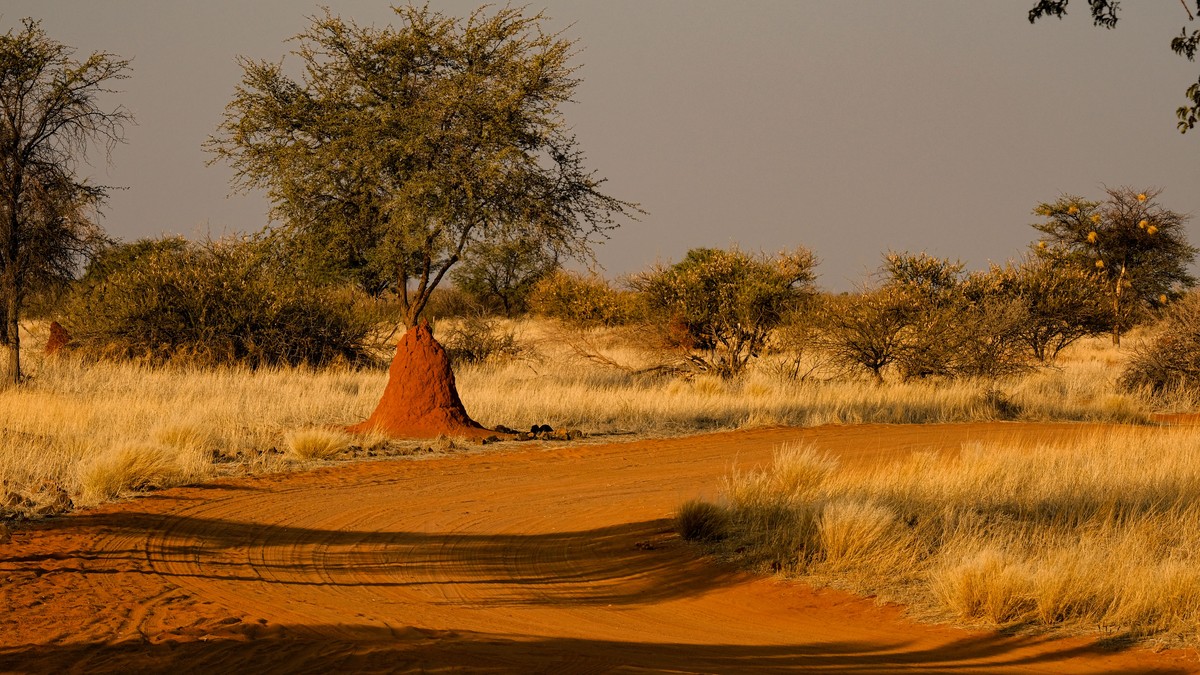
The sun at the equator is directly overhead for much of the year, and altitude in places like the Mara adds extra UV exposure. SPF 50, broad spectrum, and water and sweat resistant is the right standard, even on cloudy days. Riemann P20 and Ultrasun are popular with repeat safari guests because one application holds up through a full morning game drive. Expect to pay USD 18 to 28 for a decent bottle in Nairobi, more than you would at home, so packing your own is usually cheaper.
Sunscreen First, Repellent Second
This trips people up constantly. Apply sunscreen first, let it absorb for about 15 to 20 minutes, then apply insect repellent on top. Doing it the other way round dilutes the repellent and cuts its effective time. If you are using a combined sunscreen and repellent product, that order problem goes away. That is part of why brands like incognito have gotten popular with travelers who want fewer bottles in their day bag.
Repellent Safety for Kids and Pregnant Travelers
DEET up to 30 percent is considered safe for children over two months old, applied sparingly and never on hands that might end up in a mouth. Picaridin is a solid alternative many parents prefer. Oil of lemon eucalyptus and PMD products are not recommended for children under three years old. Pregnant travelers can use DEET or Picaridin at standard concentrations, but it is worth confirming with your own doctor before you fly, alongside a conversation about malaria tablets.
Clothing Is Your Free Repellent
Tsetse flies are drawn to dark blue and black, so avoid navy shirts on game drives, especially in the Mara and around riverine bush. Mosquitoes are less picky about color but are put off by long sleeves and closed shoes at dusk. Light, loose, long-sleeved clothing in khaki, olive, or tan does double duty. It keeps the sun off your arms and gives insects less bare skin to land on.
What Your Camp Already Does for You
Most permanent tented camps and lodges fit mosquito nets over every bed, and many spray rooms with Doom or a similar pyrethroid spray each evening before turndown. Some also leave citronella coils burning around the dining area after dark. It is still worth packing your own repellent, since nets and sprays cover your room, not the hour you spend on the deck watching the sunset before dinner.
The Aerosol Problem on Light Aircraft
Here is the detail almost nobody mentions. If your safari includes a light aircraft transfer, and many multi-park itineraries do, aerosol cans are restricted under IATA dangerous goods rules that Kenyan operators like Safarilink and AirKenya follow strictly. Aerosol toiletries are typically limited to 0.5 liters per item and 2 liters total per passenger, and some operators ask that they travel in your hand luggage rather than checked bags. To avoid a debate at the Wilson Airport check-in desk, pack repellent and sunscreen as pump sprays, lotions, or roll-ons instead of aerosols.
Repellent Is Not a Substitute for Malaria Tablets
No spray, cream, or net gets you to zero risk. If your doctor recommends malaria prophylaxis for your itinerary, take it as prescribed, for the full course after you return home too. Repellent and prophylaxis work together, not as alternatives. It is one of several other health prep questions before a Kenya safari worth sorting out before you fly, alongside water safety and routine vaccinations.
The Valley Safaris Difference
We build every itinerary with the actual malaria risk of each stop in mind, not a generic checklist. When we plan a route through Samburu or Amboseli, we tell you plainly that the risk is higher there than in the Mara highlands. We flag it early enough that you can talk to your travel clinic with real information. We also warn you about the aerosol rule before you pack, not after you are standing at the Wilson Airport counter repacking your bag. It is the kind of detail that seems small until it saves your trip a headache.
Ready to Plan Your Kenya Safari?
Once your health kit is sorted, the fun part starts, choosing where you will actually go. Have a look at our Kenya safari tours or get in touch through our contact page. We will help you build an itinerary that matches your risk comfort, your budget, and the wildlife you most want to see.